Kava, Explained Simply
Kava is best understood as a traditional root beverage, not a standard tea, coffee or capsule product. The plant is called Piper methysticum, and traditional kava is prepared from the root.
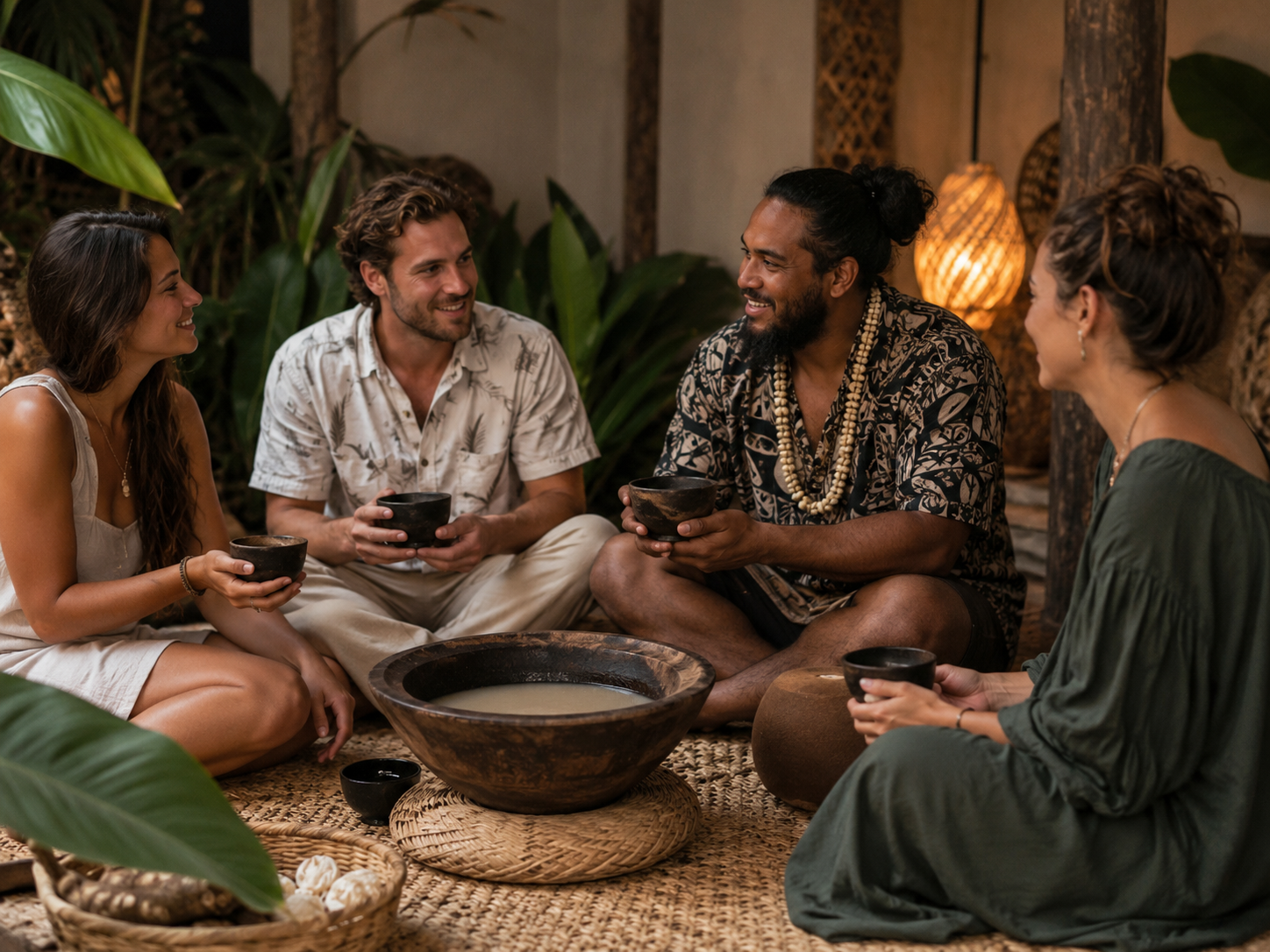
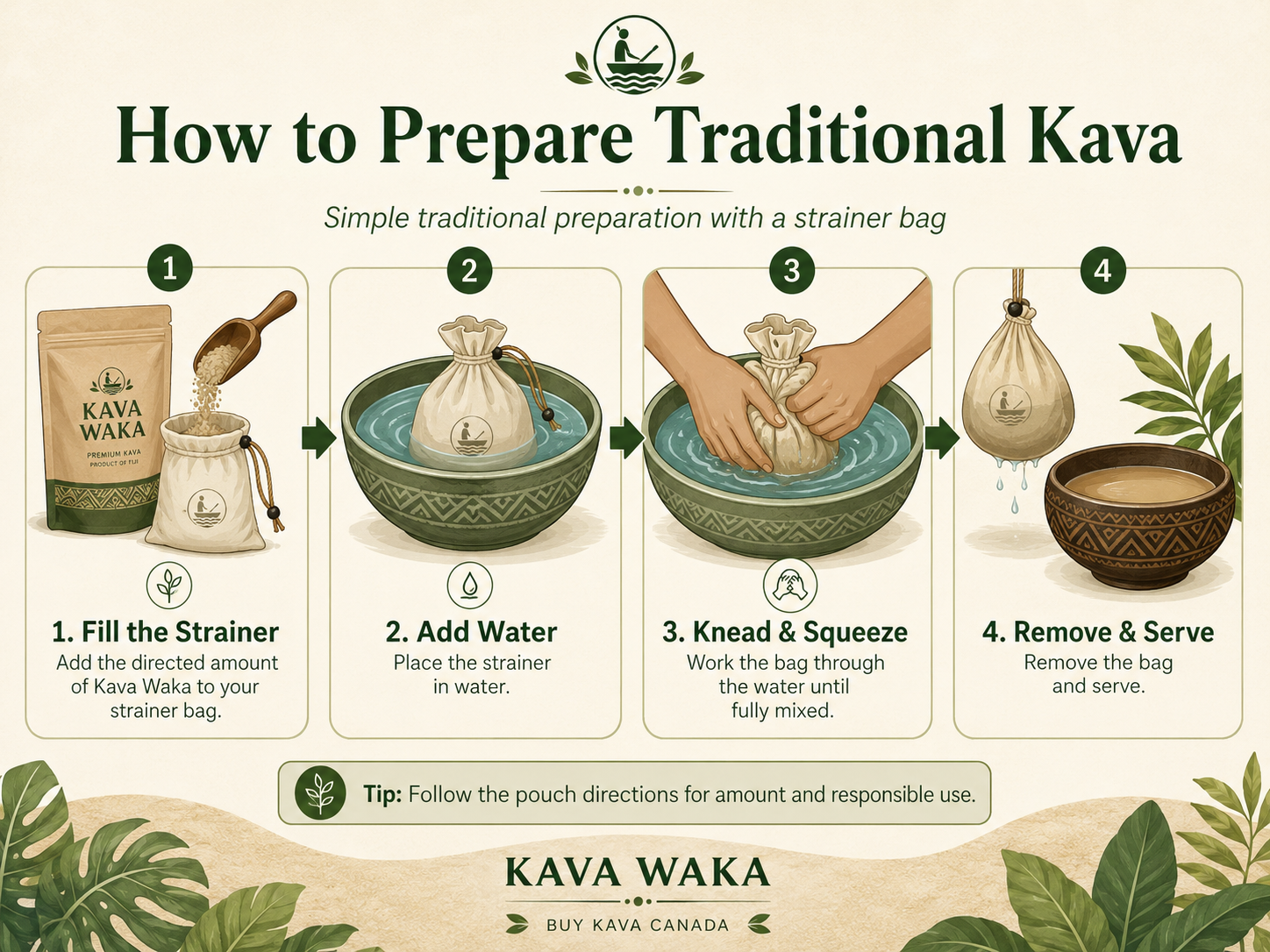
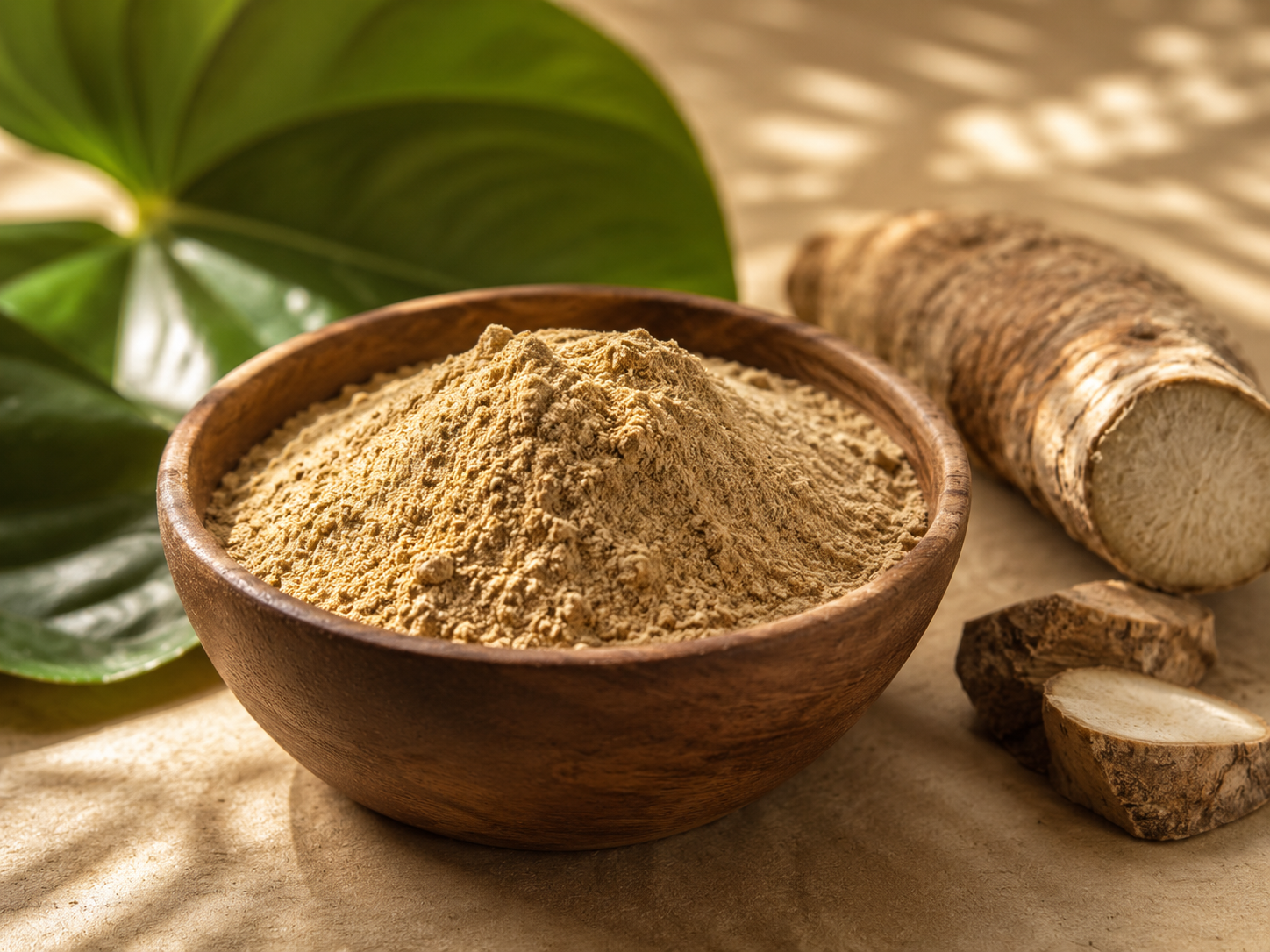
The familiar traditional preparation is water-based: ground kava root is placed in a strainer, worked through water, and the fibrous root material is removed before the beverage is served.
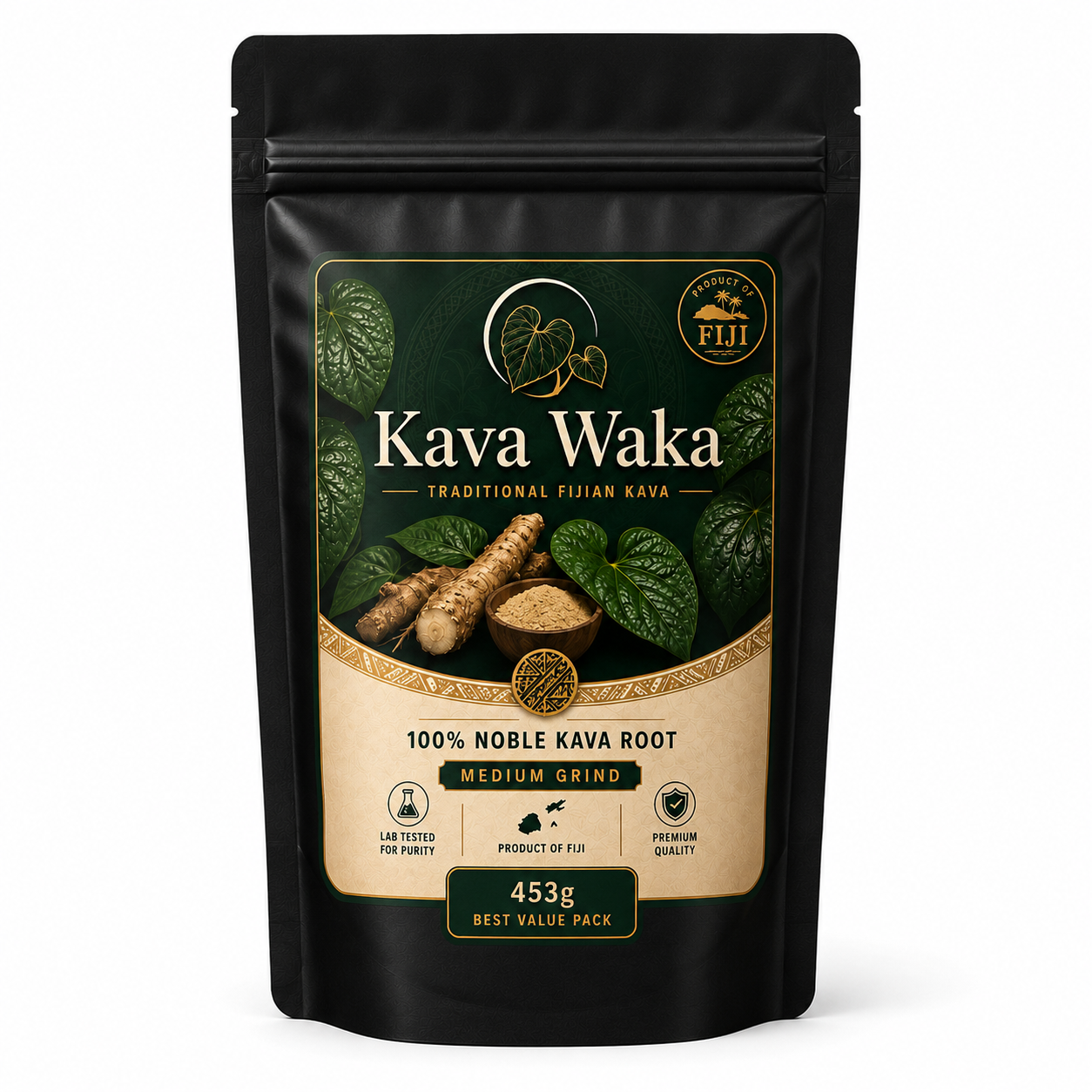
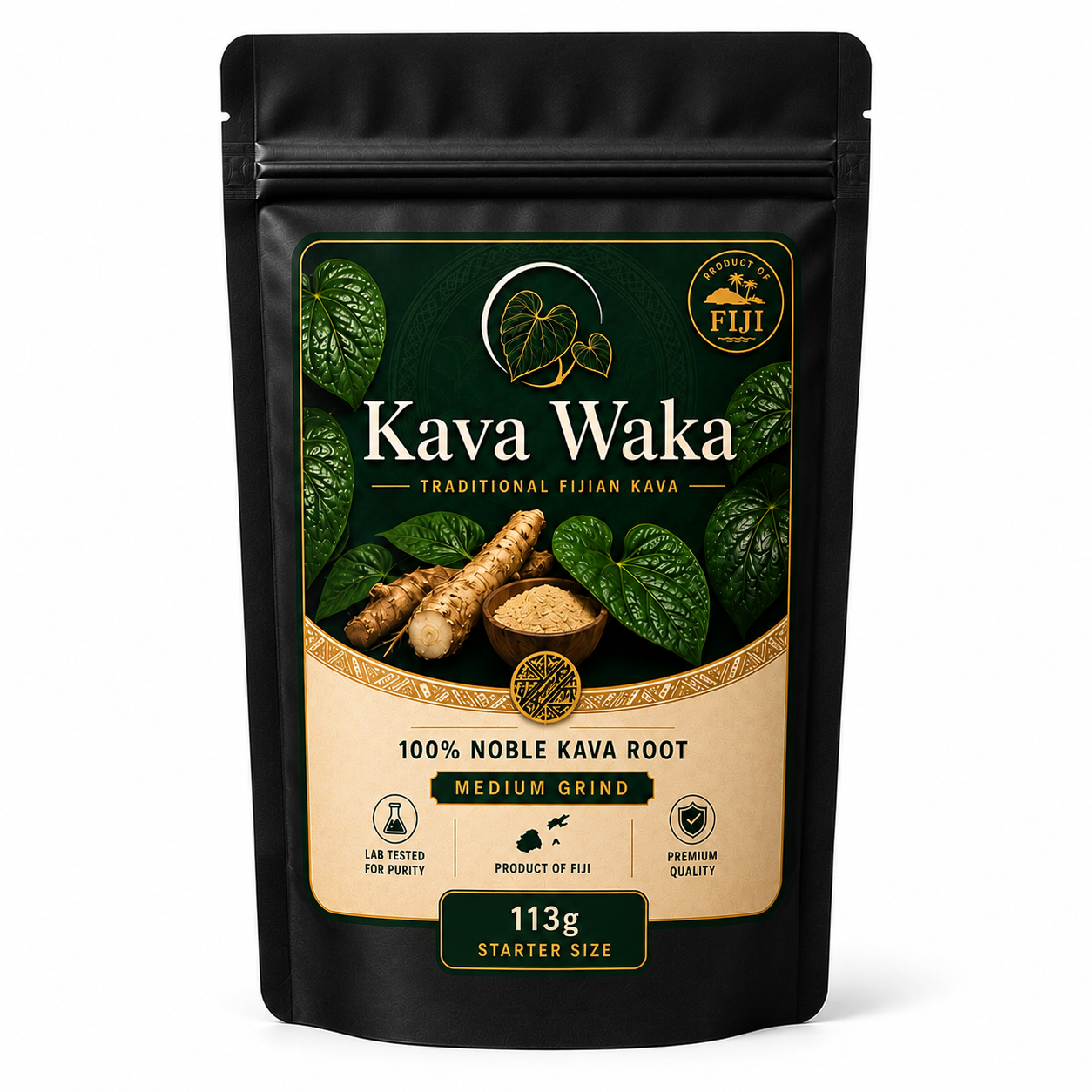
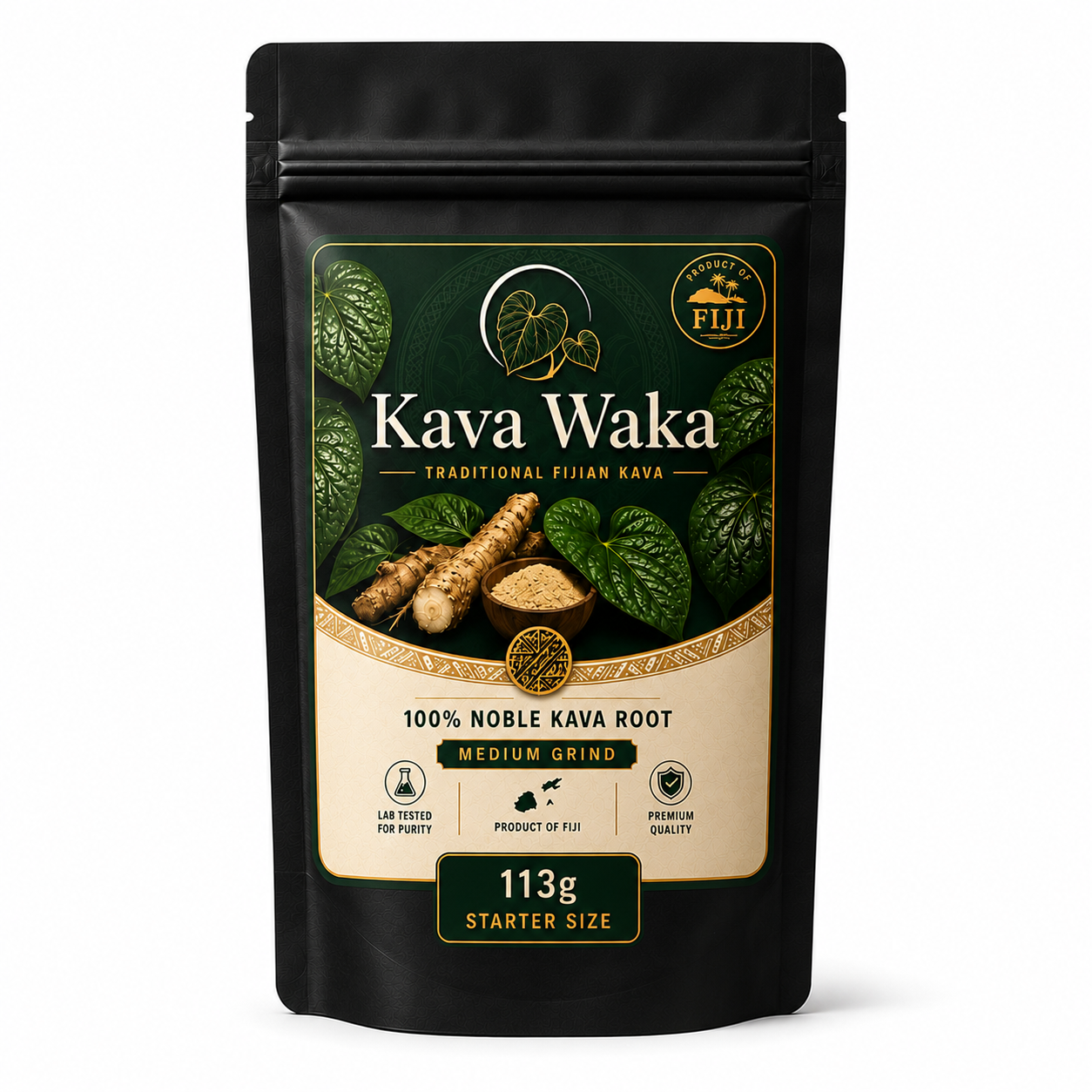
Traditional medium-grind kava is not an instant drink powder. It is normally mixed with water, kneaded or squeezed through a strainer, and the coarse root material is removed.
What Part of the Kava Plant Is Used?
Traditional kava beverages are made from the underground portions of the plant, commonly described to consumers as the root. That matters because kava products can come in several forms, including traditional ground root, instant products, extracts, capsules and tea-style products.
When comparing products, look beyond the front label. Check the product format, preparation directions, serving guidance, warnings, storage information and the seller’s description of what you are actually buying.
What Are Kavalactones?
Kavalactones are the best-known naturally occurring compound group in kava. They are one reason different kava products and cultivars can vary from one another.
Kavalactone information can be useful when comparing kava, but it is not the only thing that matters. Plant part, cultivar, product format, grind, preparation style and clear responsible-use information all help provide context.
Traditional Kava vs. Other Kava Formats
When people search “what is kava,” they often encounter several very different formats under the same broad name. They should not automatically be treated as interchangeable.
Traditional Grind
Ground root prepared with water and normally strained before drinking.
Instant Kava
A convenience format designed to disperse more directly in liquid.
Capsules / Extracts
Concentrated or encapsulated products with different directions and labeling.
Tea-Style Products
Products marketed in a tea format are not the same as traditional medium grind.
What Do People Commonly Ask About Kava?
People often encounter kava in conversations about calm, relaxation, social ritual or alcohol-free evening routines. Those are common reasons people become curious about kava, but no product should promise a specific experience for every person.
Individual experiences vary. Kava should not be presented as a treatment for anxiety, sleep problems, stress disorders, alcohol dependence or any medical condition.
Do not combine kava with alcohol or other substances that may cause drowsiness or impairment. Review the label and warnings before use.