Why “Kava on Amazon” Can Be Confusing
Amazon is a marketplace, not one kava brand. Search results can change frequently and may mix together products that are not interchangeable: traditional medium-ground kava root, tea-style products, capsules, liquid extracts, instant powders and other botanical products that use “kava” in the title.
If you want a traditional kava drink, ask three questions: Is it traditional ground root? Is the grind consistent and free from large woody pieces? Does the seller explain how to prepare it?
Do not assume every product labelled “kava” is traditional ground kava. Read the ingredient list, preparation directions, quantity, seller information and warnings on the exact listing.
The 6-Point Amazon Kava Buying Checklist
Traditional ground root, instant powder, tea, capsules and extracts are different products with different preparation methods.
Check whether the listing clearly identifies Piper methysticum and what part or format of kava is being sold.
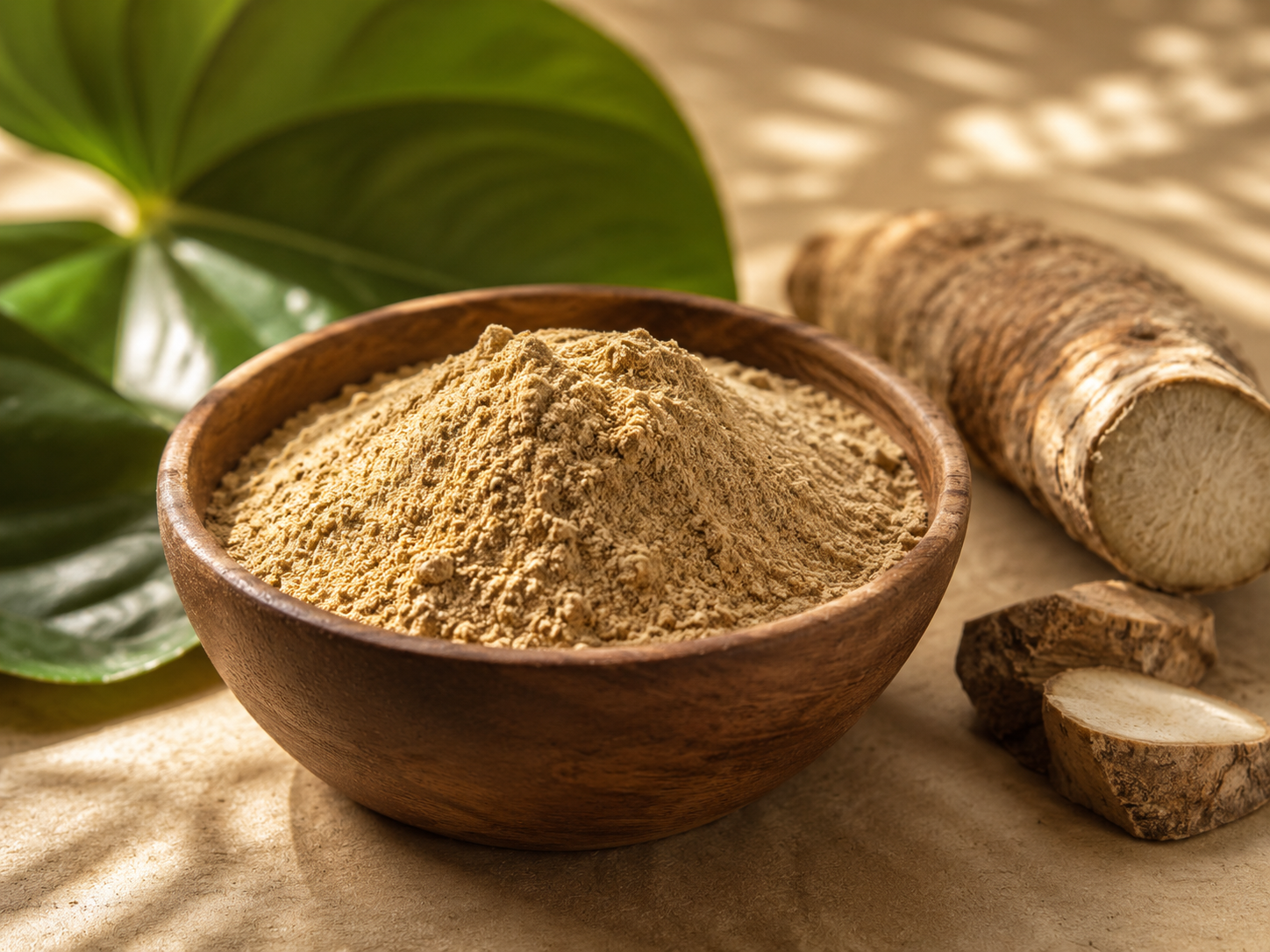
Check product photos and reviews for large, hard or stem-like pieces. Coarse woody material can make straining less pleasant. A consistent ground-root texture is easier to work with; this does not, by itself, prove purity or potency.
Traditional medium-ground kava should normally describe water-and-strainer preparation rather than direct swallowing or simple steeping.
Look beyond the headline product price and compare quantity, shipping, taxes and the actual grams of the kava format you want.
Look for a clear business identity, contact path, return information, source details and product-specific labelling.
If You Want Traditional Ground Kava
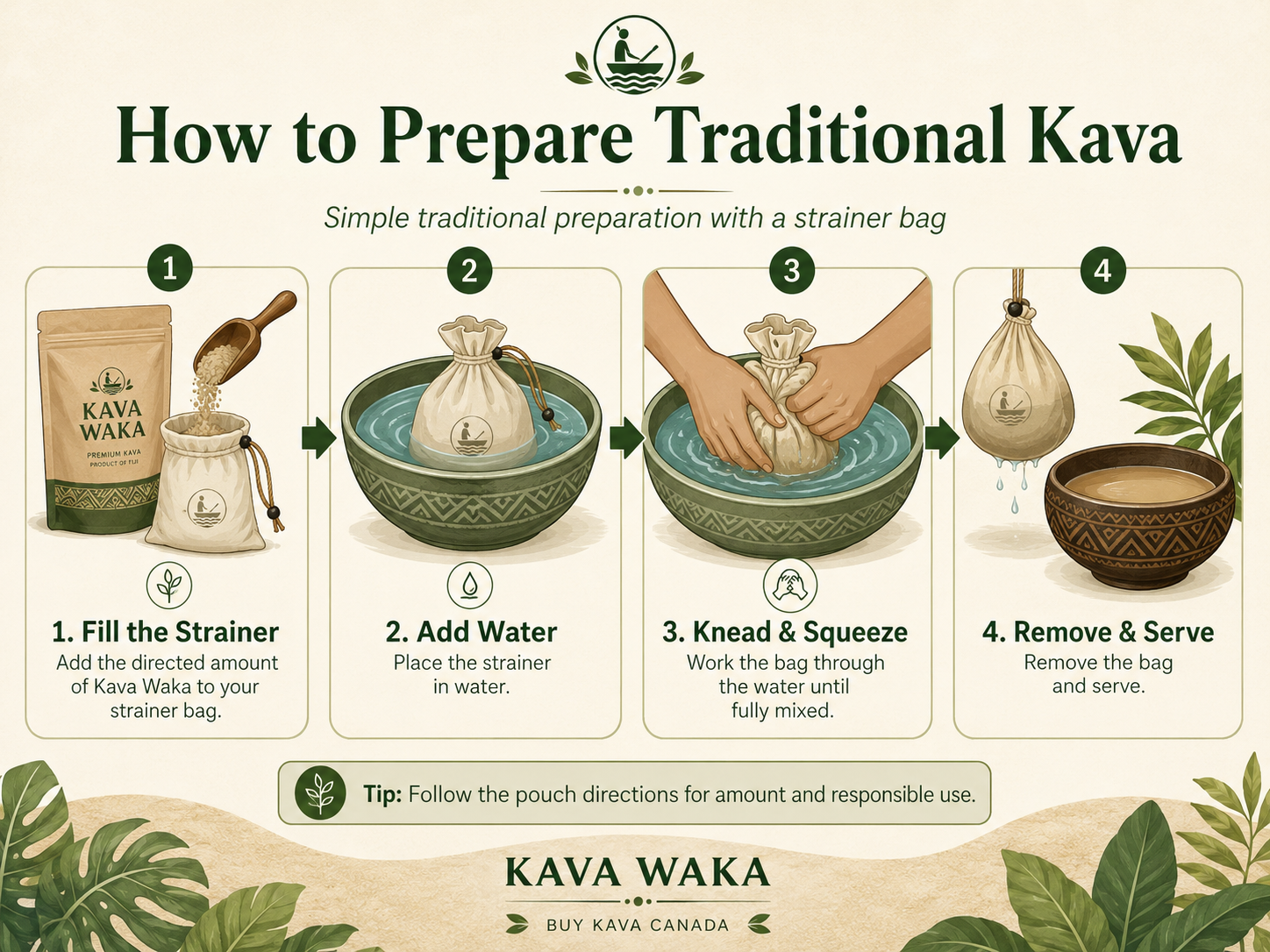
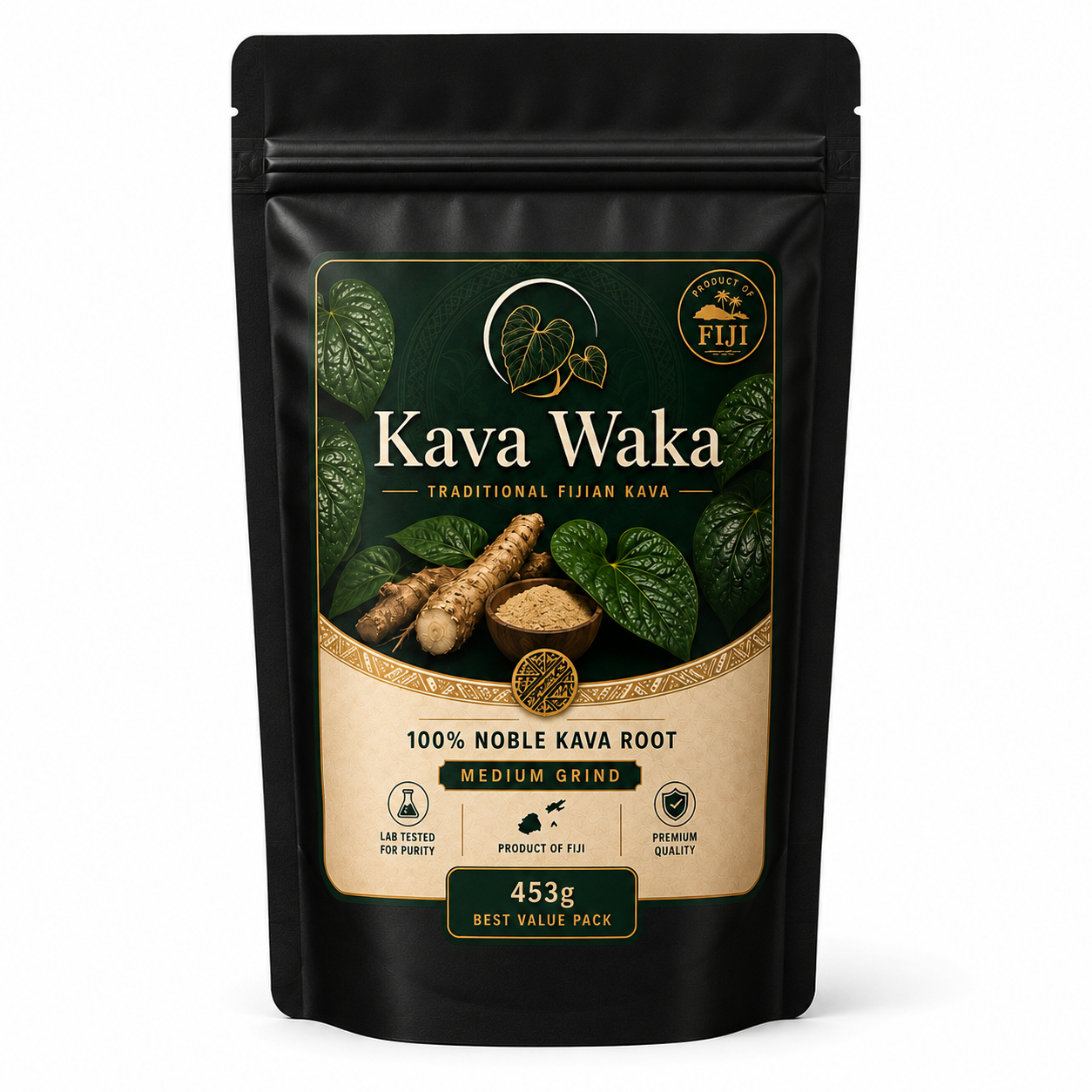
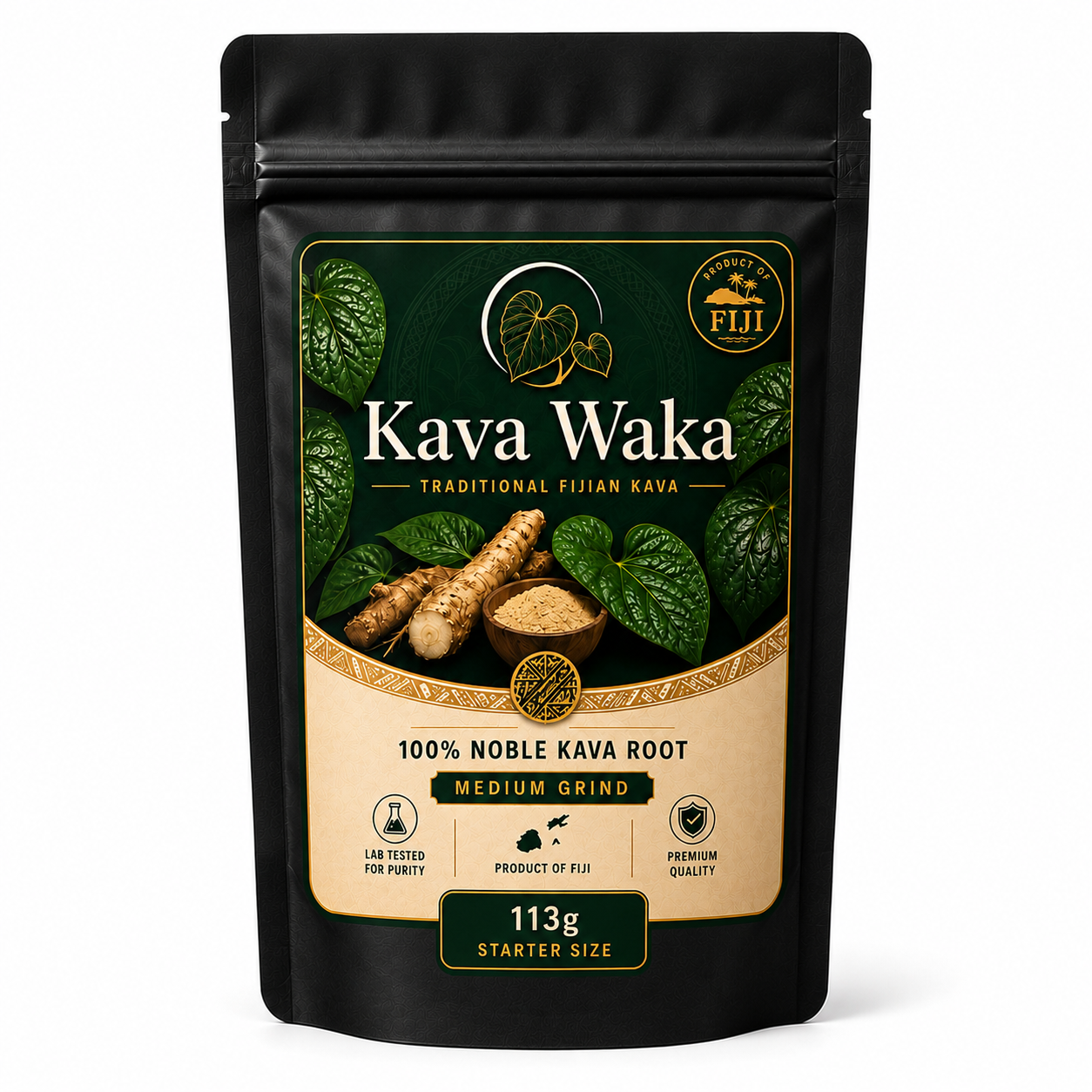
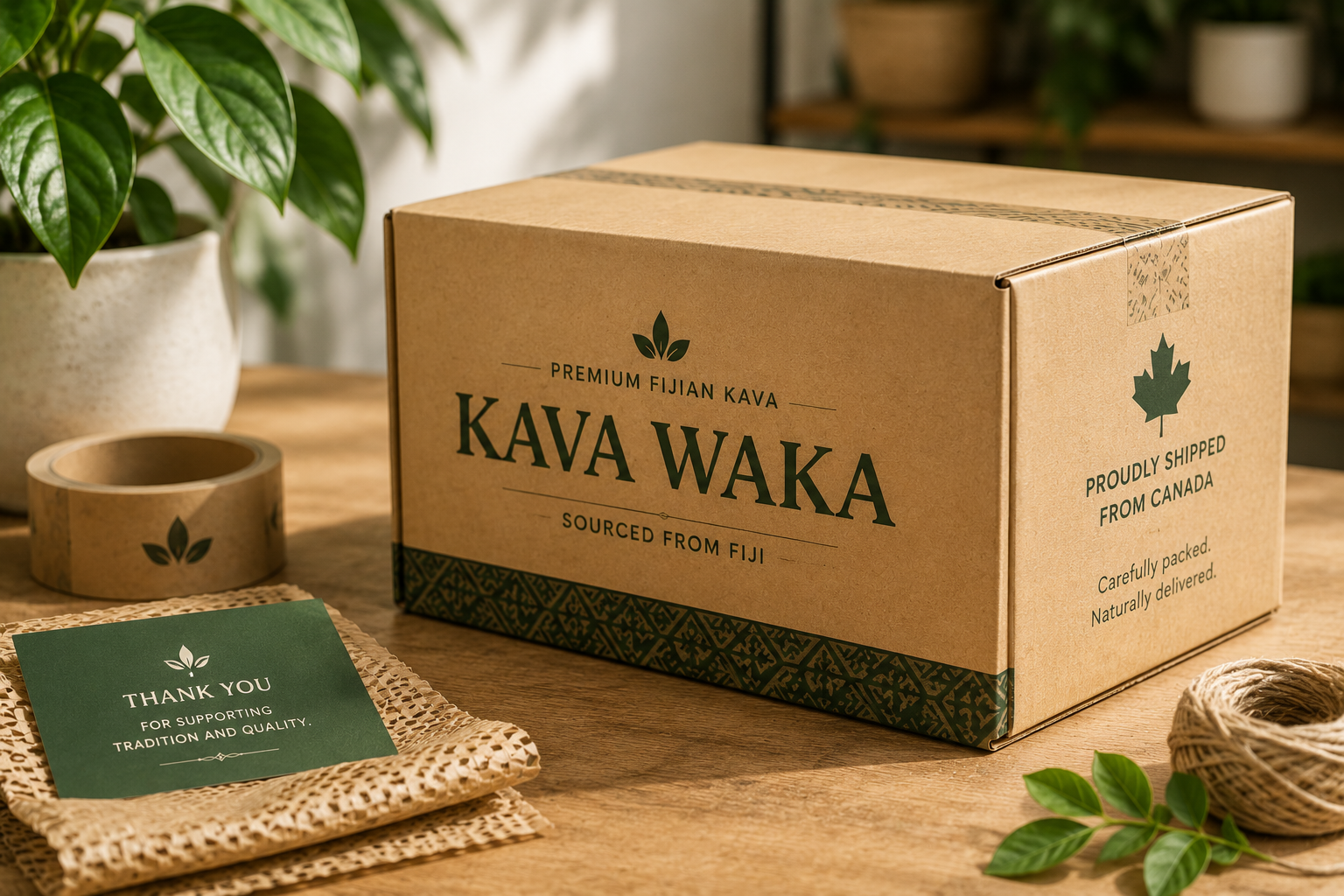
Traditional ground kava is worked through water and then strained. Our Fijian Kava Waka has a fine, even traditional grind without large visible stem pieces. It is not an instant drink mix: knead or briefly blend with water, then strain. Active preparation can take just a few minutes, depending on your method.